
 Call us:
 Email us:



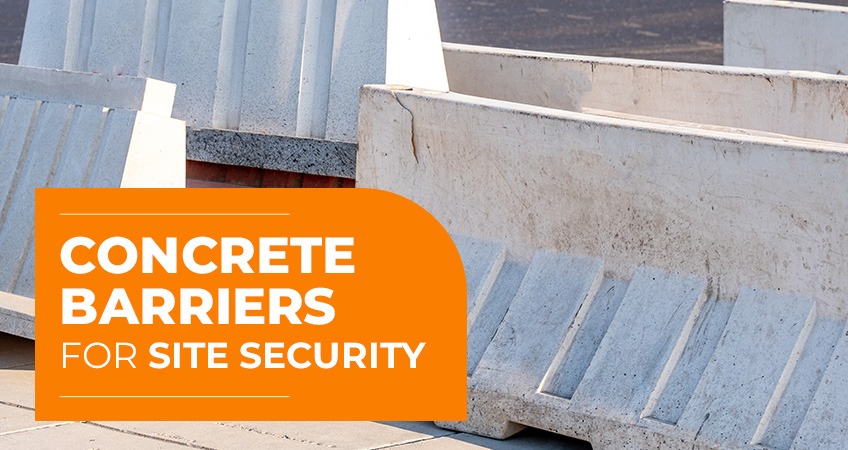

The heavyweights of protection
Let’s be honest, there are few things in life as stubborn as a concrete block. It doesn’t argue, it doesn’t take tea breaks, and it certainly doesn’t look the other way when a rogue van tries to sneak onto your property. In the world of security, sometimes the simplest solution is the heaviest one.
We’ve all seen headlines or heard horror stories. A construction site stripped of copper wiring over the weekend, a vacant office building suddenly hosting an unauthorised rave, or a private car park turned into a drifting track for the local petrolheads. These headaches are expensive, stressful, and frankly, completely avoidable.
At MEC Security, we spend a lot of time helping clients deal with the aftermath of unwanted visitors. Whether it’s evicting squatters or removing travellers from private land, we have seen it all. But do you know what we prefer? Stopping them from getting in comfortably in the first place. That is where concrete barriers for site security come into play. They are the bouncers of the inanimate world—silent, imposing, and impossible to push around.
What actually are concrete barriers?
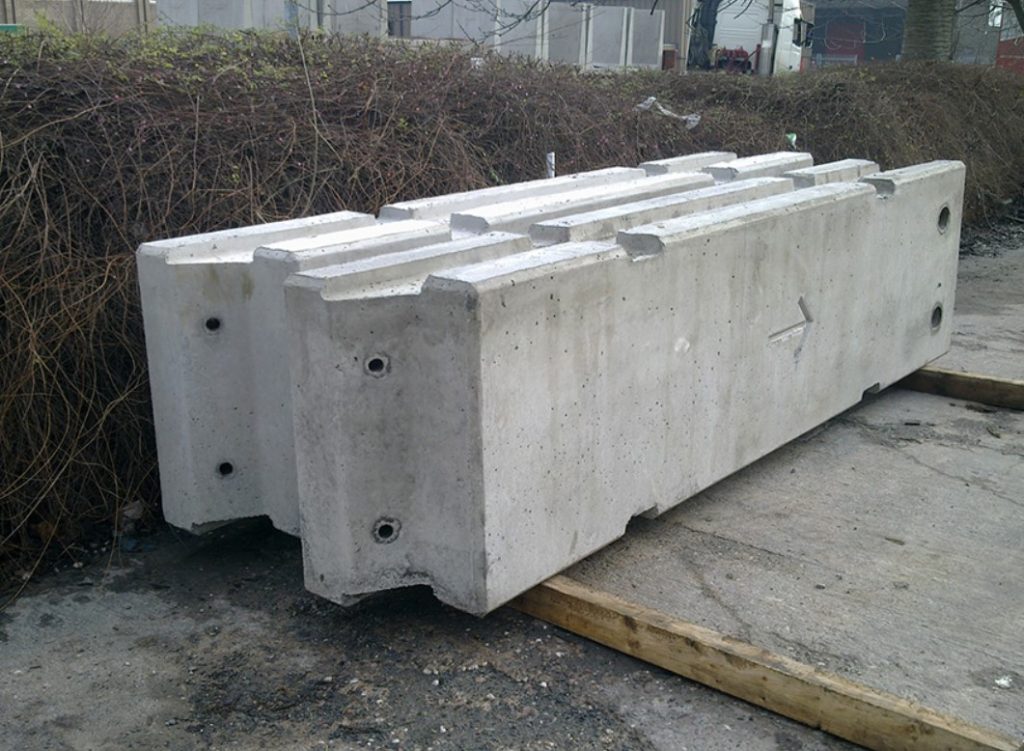
Before we dive into the logistics, let’s clarify what we are talking about. You have likely seen them lining motorways or blocking off derelict land. These are reinforced, heavy-duty blocks designed to withstand significant impact and act as a physical shield.
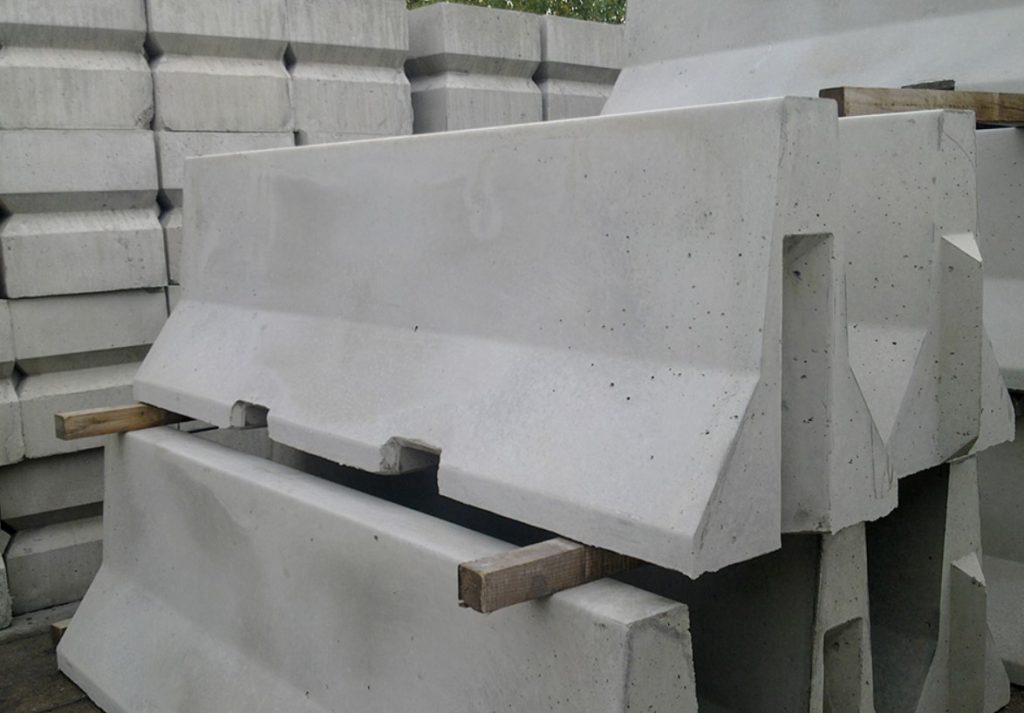
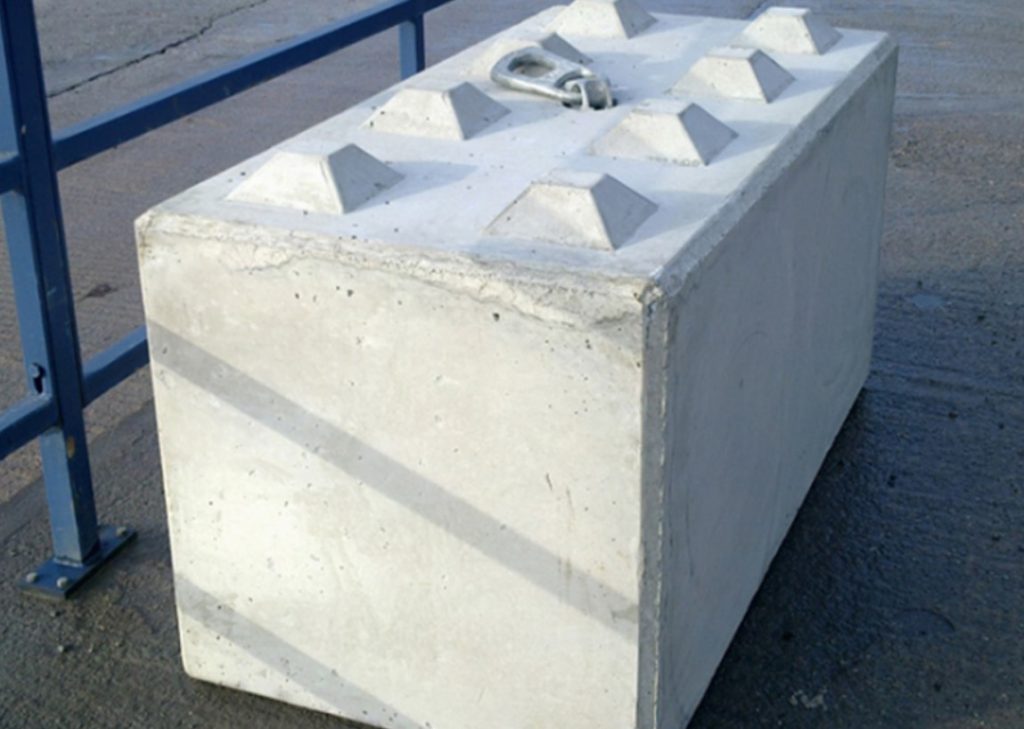
They aren’t just random chunks of cement dropped from a great height. They are engineered solutions. From “Jersey barriers” (the ones with the sloped sides you see on roads) to interlocking “Lego” style blocks, these units can weigh anywhere from 1.2 tonnes to over 4 tonnes.
They serve one primary purpose: denying access. Whether you need temporary concrete barriers for a weekend event or a long-term solution for a vacant lot, these barriers create a perimeter that says, “Not today, mate.”
The different heavyweights in the ring
- TVCBs (Temporary Vertical Concrete Barriers): These are the industry standard for roads and site perimeters. They are crash-tested and designed to deflect vehicles.
- Interlocking blocks: Often affectionately called “Lego blocks,” these can be stacked to build walls or flood defences. They are incredibly versatile.
- Jersey barriers: Specifically designed to minimise damage in vehicle collisions while keeping traffic (or intruders) in their lane.
When should you use concrete blocks?
You might be thinking, “Do I really need a two-tonne paperweight on my property?” If you have assets to protect or land that looks inviting to the wrong crowd, the answer is likely yes. Here is when you should consider calling in the heavy artillery.
Construction sites
Construction sites are magnets for theft. With expensive machinery and materials lying around, they are a playground for opportunists. Site security barriers block vehicle access points, meaning even if thieves get in on foot, they aren’t driving your excavator out the front gate.
Vacant properties
There is nothing quite as stressful as discovering squatters have moved into your empty commercial building. The legal process to remove them takes time and money (though our eviction team is excellent at it). Dropping concrete blocks across the entrance is a highly effective way to prevent unauthorised vehicles and caravans from setting up camp.
Event security and crowd control
If you are running a festival or a public event, keeping pedestrians safe from traffic is priority number one. Concrete barriers provide hostile vehicle mitigation (HVM), ensuring that accidental swerves or malicious attacks are stopped dead in their tracks. Plus, they are great for guiding queues—no one argues with a concrete wall.
Preventing illegal car meets/traffic management
This is a growing issue in the UK. Large industrial estates and private car parks are perfect spots for illegal car meets. By strategically placing barriers, you can limit the open space available, making your property useless for drifting or racing.
Where to deploy these concrete guardians
Context is key. A concrete block in the wrong place is just an obstacle for you, not the intruder.
Urban environments
In city centres, space is tight. You need high-security solutions that don’t spill over onto public footpaths. Interlocking blocks are fantastic here as they can build upwards rather than outwards, creating secure hoarding lines or perimeter walls around development sites.
Rural locations
Remote farms and estates often suffer from fly-tipping. It is easy for a van to reverse into an open field gateway, dump a load of rubbish, and drive off. A strategically placed concrete barrier across that gateway stops the vehicle entry instantly. It’s a simple fix for a messy problem.
Temporary vs permanent
The beauty of temporary concrete block security is in the name—it’s temporary. You can hire them for the duration of a project and have them hauled away the day you finish. However, for sites that will be vacant for years, they offer a semi-permanent solution that requires zero maintenance. They don’t rust, they don’t rot, and they don’t need feeding.
Why choose concrete barriers for site security?
We have established they are heavy and tough, but why choose them over a fence or a gate?
The ultimate deterrent
Security is often psychological. A flimsy chain-link fence suggests you might want to keep people out. A row of 4-tonne concrete blocks screams that you will keep people out. It sends a visual message that the site is hardened and not worth the effort.
Physics doesn’t lie
You can cut a padlock with bolt cutters. You can climb a fence. You cannot move a concrete barrier without heavy machinery. If someone wants to ram a gate, the gate might yield. If they ram a concrete barrier, their vehicle is going to have a very bad day.
Flexible solutions and speed
Believe it or not, these systems are quick to deploy. With the right lorry-mounted crane, MEC Security can secure a perimeter in a matter of hours. If your needs change—say, you need to open up a new access road—we can just pick them up and move them.
Cost-effectiveness
Manned guarding is fantastic (and we highly recommend it for active sites), but having a guard on duty 24/7 for a vacant lot adds up. Concrete barriers act as a one-time cost or a low rental fee that provides 24-hour passive protection.
Benefits beyond the block
It’s not just blocking a driveway. Integrating concrete barriers for site security into your plan offers wider benefits.
Enhanced safety
On active sites, separating workers from heavy plant machinery is vital. Concrete barriers create designated safe zones and walkways, ensuring that a lapse in concentration doesn’t result in an injury.
Regulatory compliance
Insurance companies love concrete. Securing your site to this level can sometimes help with premiums, or at the very least, ensure you are compliant with your policy’s requirement to take “reasonable steps” to secure the property.
Peace of mind
There is a specific kind of relief that comes from knowing your property is blocked off by something solid. You can sleep a little easier knowing that unauthorised access is physically restricted.
Real-world scenarios
Let’s see how this plays out in the real world.
The construction crisis
We recently worked with a client whose site was being targeted weekly for fuel theft. Fences were being cut and vans driven right up to the tanks. We installed Jersey barriers around the fuel storage and blocked the main vehicle access points overnight. The result? The thefts stopped immediately. The thieves moved on to an easier target.
The vacant pub
A developer purchased an old pub with a large car park, intending to renovate it the following year. Within a week, travellers had moved onto the car park. After our eviction team cleared the site, we installed heavy-duty concrete blocks across the entrance. The site remained secure and empty until construction began.
Traffic control
During a road widening scheme, safety for the workforce was paramount. We deployed TVCBs to create a crash-rated buffer zone between the 50mph traffic and the excavation team. It provided physical protection and kept the traffic flowing smoothly.
Frequently asked questions
Can I move the barriers myself?
Unless you have a forklift or a crane in your back pocket, no. These blocks are designed to be immovable by hand. This is a feature, not a bug. If you need them moved, just give us a call.
Do I need planning permission for concrete jersey barriers?
Generally, for temporary works or security, you do not need full planning permission, especially if they are not permanent structures. However, if you are placing them on a public highway or pavement, you will need a licence from the local council.
Are they ugly?
Beauty is in the eye of the beholder. We think a secure site is beautiful. However, if you are worried about aesthetics, hoarding can be attached to the barriers, or they can be painted to match your branding.
Securing your peace of mind
At the end of the day, site security is about layering your defences. Cameras are great, and guards are invaluable, but concrete barriers for site security provide the physical muscle that holds it all together. They are the silent sentinels that keep your property yours.
Whether you are trying to stop fly-tippers in a rural field or managing traffic at a bustling event, these heavyweights are ready for the job. And remember, if the worst happens and you do get unwanted guests, our eviction teams are on standby—but we would much rather help you stop them getting in first.
Ready to fortify your site with concrete security?
Don’t wait for an incident to happen. Contact MEC Security today for a free consultation. Let’s discuss how we can secure your assets with the best concrete barriers in the business.